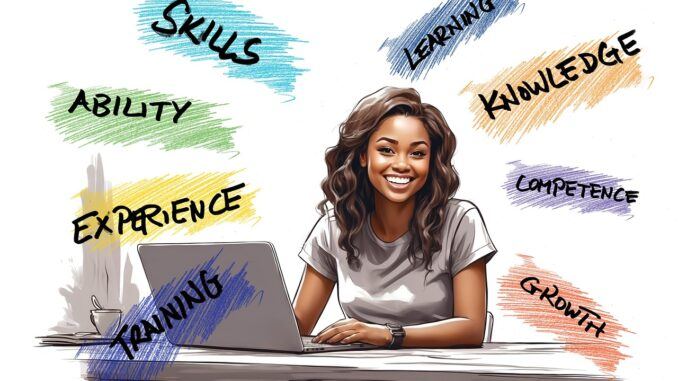
Personal development, sometimes called self-growth, is all about you becoming the best version of yourself. It’s about fostering growth and improving skills, knowledge, and emotional well-being. It involves intentional actions to develop talents and potential, have more fulfilling relationships, and contribute positively to society. Basically, it’s your path to a happier, more successful life.
Imagine rolling back time to centuries ago when personal development was the theme in philosophical debates and ancient teachings. From Aristotle to Eastern philosophies, the idea of self-improvement is nothing new. Fast forward to today, it’s evolved and expanded into a vital aspect of modern life, reflecting societal changes and becoming more accessible, thanks to technology and education.
Investing in personal development isn’t just some trendy notion—it actually pays off in ways you might not even realize. Personal growth can lead to better job opportunities, increased self-confidence, and even a more satisfying personal life. It invites you to break out of your comfort zone, learn, and grow, opening doors you didn’t know were there. You’ll find you’re more equipped to handle whatever life throws your way.
The perks of diving into personal development are pretty fantastic. You might find you’re more in tune with yourself and your emotions, which can lead to reduced stress and improved relationships. Plus, who doesn’t want to have a life filled with purpose and passion? Committing to self-improvement is like unlocking a treasure chest filled with confidence, skills, and a whole bunch of other positives that make your life both richer and more fulfilling.
Emotional Intelligence: The Bedrock of Personal Growth
Emotional intelligence, or EQ, kicks in as a crucial element in personal growth. It’s about understanding and managing not just your emotions but also those of others. EQ involves skills like empathy, self-regulation, and effective communication. Being in tune with these emotions can make a massive difference in both personal and professional settings.
You might be wondering why EQ is such a big deal compared to the traditional intelligence quotient (IQ). Well, while IQ measures cognitive abilities, EQ is often credited with making a more significant impact on your overall success in life. Think about it: the smartest person in the room isn’t necessarily the one who gets ahead if they lack empathy or can’t work well with others. Emotional smarts help you connect, communicate, and navigate the world’s social complexities.
Boosting your EQ isn’t some mystical process. Simple practices like active listening, mindfulness, and self-reflection go a long way. Actively listening to others without interrupting and reflecting on their perspectives can increase empathy. Mindfulness brings awareness to your emotional landscape, helping to regulate those difficult emotions that can sometimes get in the way.
Consider the story of someone who aced the technical skills for a promotion but kept getting passed over because they couldn’t manage team dynamics. After working on their EQ, they improved how they handled stress and conflict, leading to better relationships with colleagues and, eventually, that long-awaited promotion. Real-life stories like these highlight how improving emotional intelligence can lead to tangible benefits in career and life satisfaction.
Building Resilience: Overcoming Obstacles to Personal Growth
Resilience is like your personal armor in the rough and tumble of life. It’s about bouncing back from challenges, big or small, and it plays a crucial role in personal development. With resilience, those setbacks that once felt monumental can become mere stepping stones.
So, how do you build up this resilience? Mindfulness is a great start—staying present and aware helps keep things in perspective. Positive thinking isn’t just a cliche mantra; it’s a powerful tool to shift your mindset and stay hopeful even when things get tough. And then there’s adaptability, which is all about going with the flow and adjusting to life’s curveballs.
Here’s another thing: failure isn’t the enemy. Embracing it as a learning opportunity can actually strengthen your resilience. Those who are ready to learn from their mistakes often come out stronger, more determined, and more equipped for future challenges.
Let’s talk real-world heroes, the ones who conquered tough times with a resilient spirit. Remember that entrepreneur who faced countless rejections before hitting it big? Or that student who bounced back after failing their finals? Their stories are reminders that resilience isn’t about never falling; it’s about getting up every time. With resilience, you’re not just surviving; you’re thriving.
Achieving Life Goals through Effective Time Management
Time management might not sound thrilling, but it’s a game-changer for personal development. It’s your secret weapon for juggling all that life throws at you, from work tasks to personal goals. Get this right, and suddenly, there’s room for everything that matters to you.
Here’s how it works. With techniques like the Pomodoro Technique or using an Eisenhower Box, you break down tasks and prioritize what truly needs your attention. The Pomodoro Technique encourages work in short, focused bursts followed by breaks—keeping concentration sharp. Meanwhile, the Eisenhower Box helps in deciding priorities and disregarding time-wasting tasks.
Managing distractions is a huge part of time management. We live in an age of constant notifications, and tuning out from these can maximize efficiency. It’s about setting boundaries and finding focus in a noisy world.
Mastering these skills doesn’t just free up your day. The long-term benefits are tremendous, helping you reach those big dreams and goals faster. Imagine having extra hours in your day for that hobby you’ve neglected, or finally having the bandwidth to start a new project. With effective time management, you’re not just getting things done—you’re creating space for more of what you love, making those life goals a reality.
Leave a Reply